Study Highlights Bus Connectivity Challenges in Koramangala
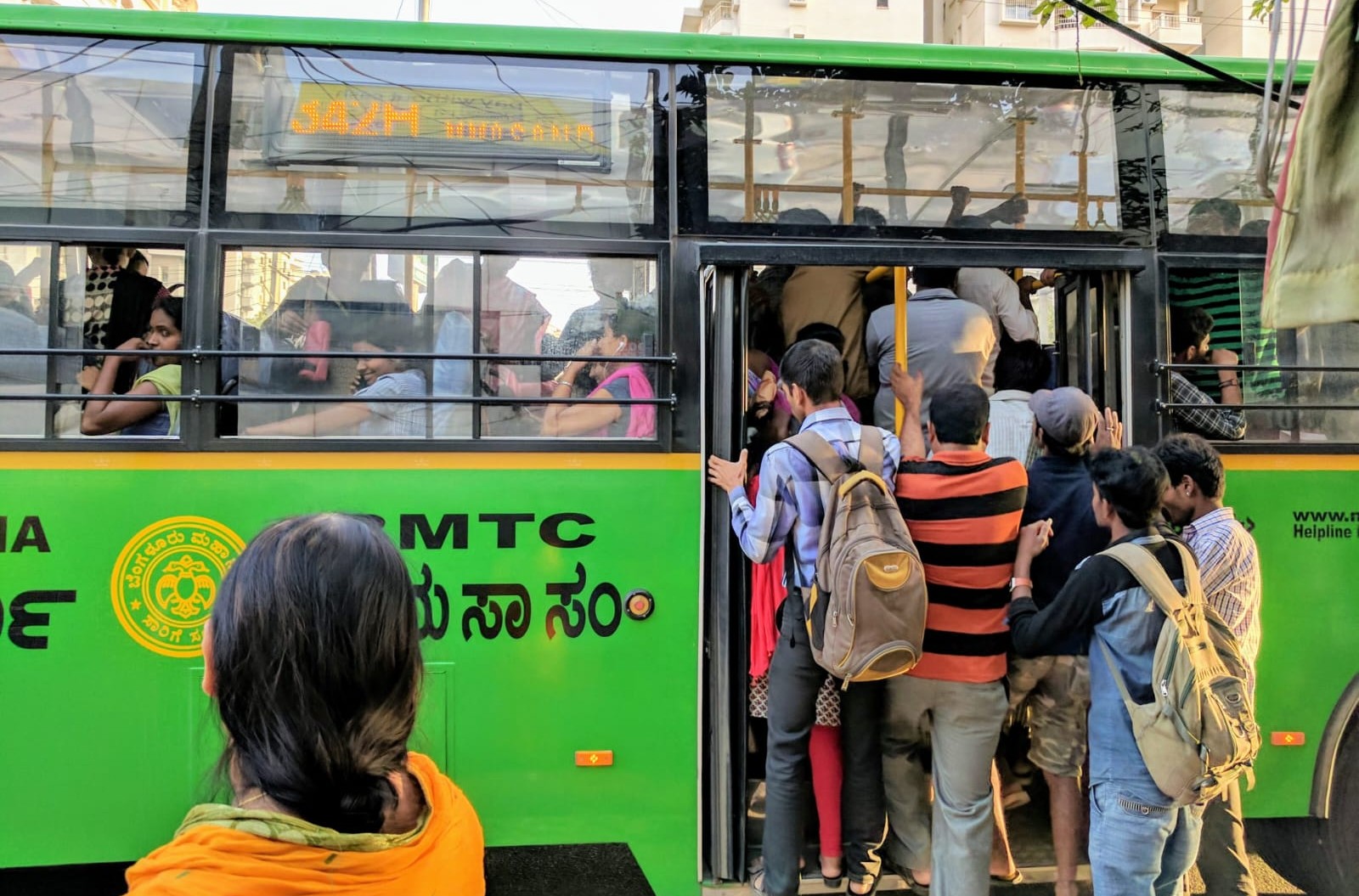
Koramangala, a prominent Bengaluru neighborhood, faces significant challenges in bus connectivity, as revealed by a study conducted during OpenCity’s Bengaluru Datajam. The study focused on the area's bus network, analyzing data on bus routes and stops. It identified 36 bus stops within Koramangala, served by 318 routes that connect to 767 unique stops citywide. However, the routes are heavily concentrated along Hosur Road, leaving northern and western areas with limited direct connectivity. The study also highlighted the lack of direct metro service, with the nearest station, Central Silk Board, being 1.5 to 2.5 km away, making it difficult for residents to access. The analysis revealed that peak bus activity occurs in the afternoon to early evening, with certain stops like Kudre Mukha Colony and St. John’s Hospital showing high commuter demand. The study pointed out the inadequacy of public data, relying instead on community-maintained datasets, which captured more routes than official sources. The findings emphasize the need for better public data to facilitate improvements in the bus network. The study suggests that addressing last-mile connectivity and frequency issues, as well as the connectivity gap to the north and west, are crucial steps toward enhancing public transport in Koramangala.