Urbanization in Koramangala-Challaghatta Valley Increases Flood Risk
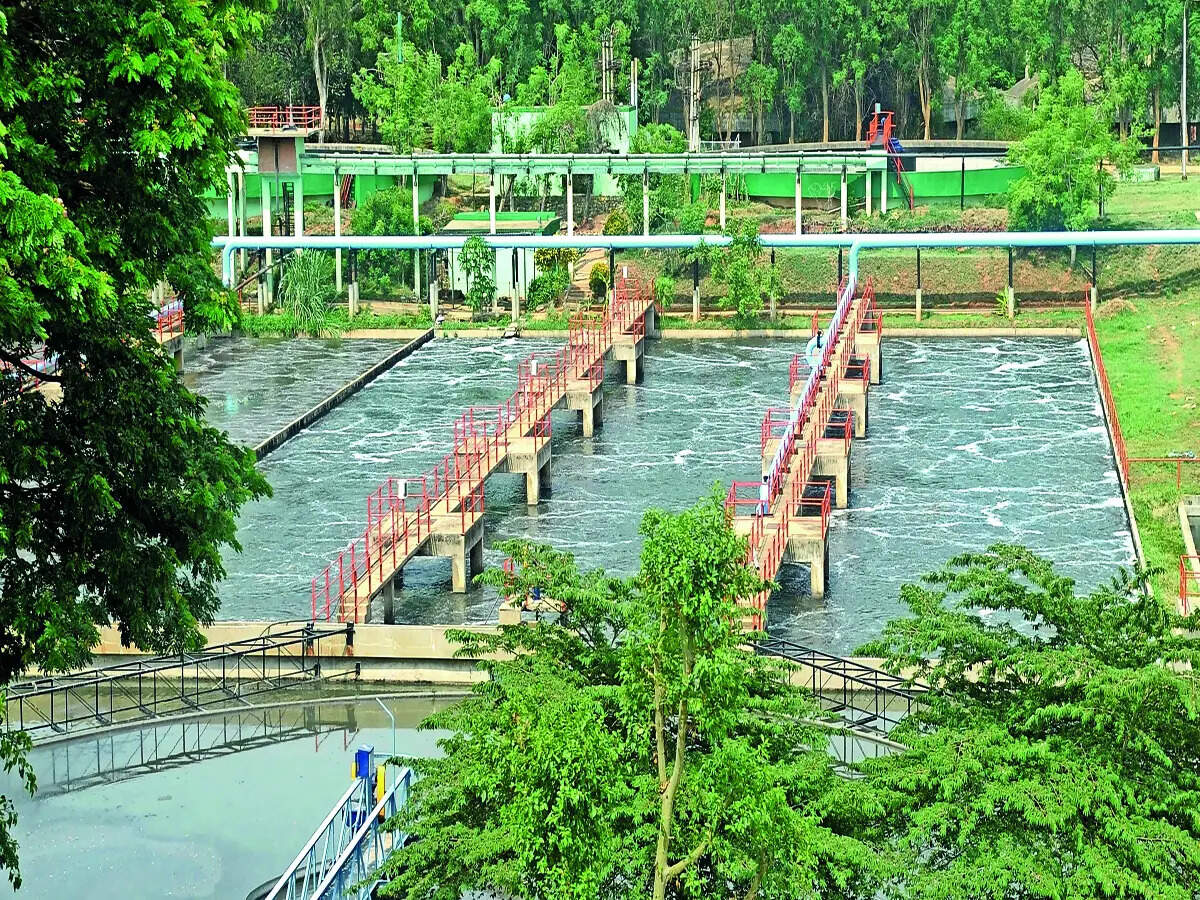
The Koramangala-Challaghatta Valley in Bengaluru is facing a significant increase in flood risk due to rapid urbanization, according to a study by researchers from RV College of Architecture. The study reveals that the built-up area in the valley has increased from 62.74% in 2000 to an expected 87% by 2025, resulting in a 3.4-fold increase in runoff rates. This surge in impervious surfaces, such as concrete roads and buildings, has drastically reduced the area's ability to absorb rainwater, increasing the likelihood of flooding.
Researchers conducted a rainfall-runoff simulation comparing pre-development and post-development scenarios. The findings showed that peak runoff rates have risen from 72.60 m³/s to 248.00 m³/s. Experts attribute this to the declining infiltration capacity of the city, exacerbated by the expansion of impervious surfaces. They emphasize the need for a comprehensive, nature-based approach to flood management, suggesting the incorporation of rain gardens, green roofs, permeable pavements, and restored lakes to improve water absorption and reduce flood risks.
The study also highlights the negative impact of concretized stormwater drains on natural groundwater recharge, which has led to higher surface runoff. Additionally, the degradation of the lake network in the KC Valley region, with many drains carrying untreated sewage, further diminishes the effectiveness of the water system. Experts call for the restoration of the interconnected lake network and the deconcretization of stormwater drains to ensure they carry only stormwater, not sewage, to make Bengaluru flood-resilient.