CM Orders Round-the-Clock Monitoring of Chembarambakkam Reservoir Amid Chennai Flood Risk
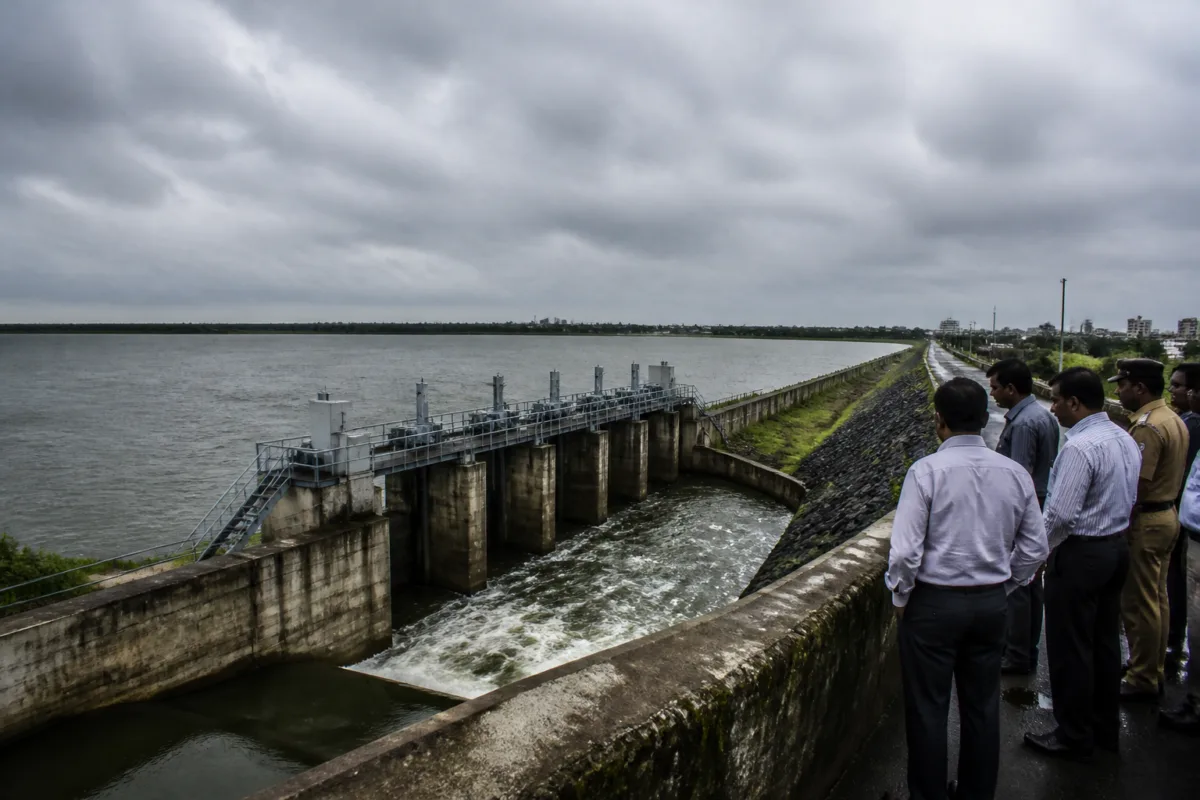
Tamil Nadu Chief Minister C Joseph Vijay has ordered round-the-clock monitoring of Chembarambakkam reservoir and directed officials to release water in phases if storage reaches alarming levels, amid concerns that heavy rainfall could rapidly increase inflows and worsen flooding along the Adyar river.
Vijay visited the reservoir and its bunds on Monday, inspecting water-release machinery and reviewing the condition of control systems. He directed officials to maintain close watch and coordinate across the revenue, police, Chennai Corporation and drinking water supply departments. The reservoir was recorded at 41 per cent capacity, with a water level of 14.76 feet against a full level of 24 feet and storage of 1,488 million square feet against a total capacity of 3,645 million square feet. Inflow stood at 150 square feet and outflow at 208 square feet.
Chembarambakkam is one of two major rain-fed reservoirs supplying Chennai, alongside Puzhal, and is the source of the Adyar river, which flows through several densely populated and flood-prone parts of the metropolitan region. The reservoir has been a critical flood-management concern since 2015, when an unexpected nighttime opening of its sluices contributed to a catastrophic flood across the city.
The chief minister instructed authorities to issue advance warnings to residents in low-lying areas before any discharge begins, and to operate the reservoir strictly according to storage levels and applicable regulations. Officials were also directed to maintain electricity-generating capacity and keep control rooms fully staffed.
The India Meteorological Department has forecast light showers in northern Tamil Nadu over the coming week, with cloudy conditions expected. Authorities cautioned that a cloudburst could rapidly fill the reservoir and necessitate water releases into the Adyar river, underscoring the need for coordinated, pre-emptive communication with communities in flood-prone areas.
ಇತರ ಮೂಲಗಳು: Deccan Chronicle