Velachery floods every monsoon despite ₹47.5 crore spent on 90% stormwater drain coverage
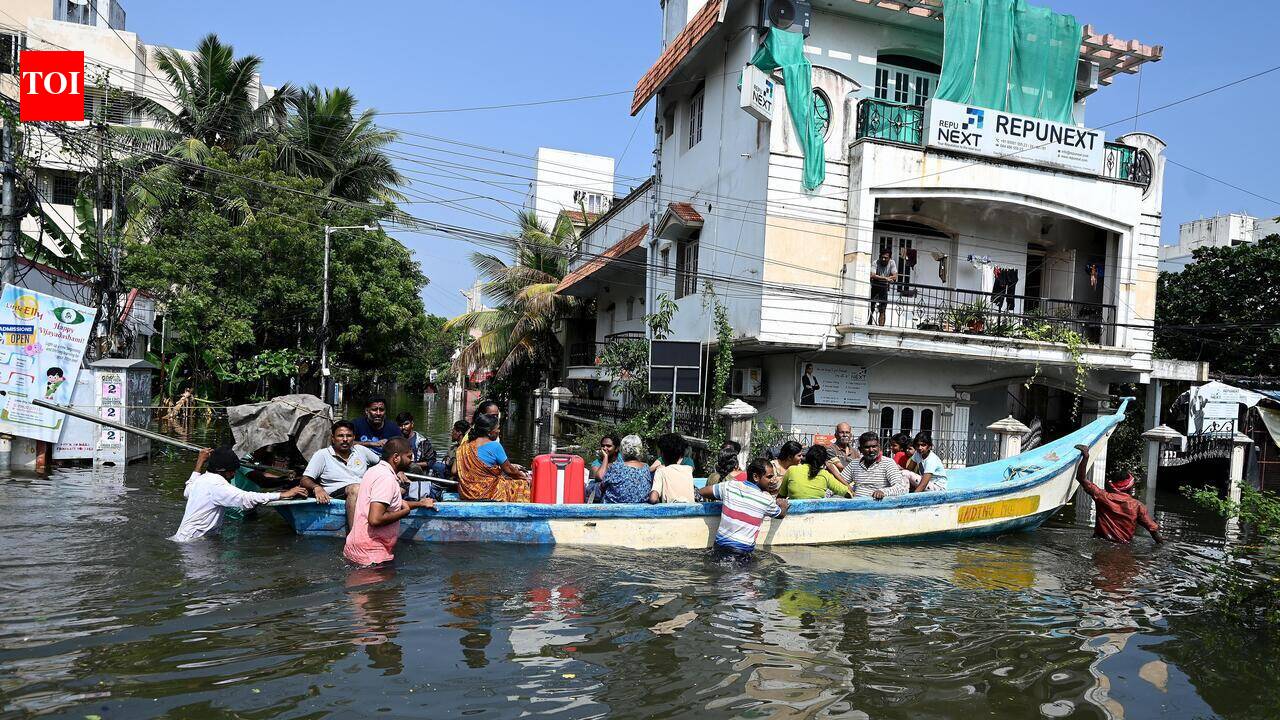
Every monsoon, residents of Velachery — a low-lying neighbourhood in Chennai with at least two lakh people living in and around it — face waterlogged streets, overflowing manholes and homes threatened by rising floodwater. This recurs despite ₹47.5 crore spent on stormwater drains that now cover 32.6 km of the locality's 38 km road network, representing roughly 90% coverage. Experts and residents say the investment has been undermined by three persistent structural problems.
The first is sewage contamination of the stormwater network. Illegal connections from high-rise apartments, residential buildings and commercial establishments route sewage into the drainage system, blocking silt catch pits and underground pipelines. Although the pipelines measure around 2×2 metres and can carry large volumes of rainwater, blockages cause backflow and manhole overflow. Residents of AGS Colony, Bhuvaneswari Nagar and Ram Nagar report water stagnating up to 2–3 feet after heavy rain. Geetha Ganesh, secretary of AGS Colony Residents Welfare Association, said sewage overflows from manholes even during summer and called for better coordination between the corporation and Metro Water.
The second problem is the neglect of Veerangal Odai, a 3.8 km natural waterway that drains runoff from Velachery, Adambakkam, Puzhuthivakkam and Madipakkam into Pallikaranai marsh and onward through Okkiyam Maduvu to Buckingham Canal. Garbage, silt and encroachments obstruct its flow, and only about 1.5 km has been properly desilted. Balakrishnan of TANSI Nagar Residents Welfare Association added that encroachments along a six-vent canal near Vijayanagar bus terminus and Perungudi railway station further restrict water flow, and that a proposed pond near the canal lacks sluice gates.
The third issue is the shrinking Velachery lake, which has been reduced from more than 150 acres to around 55 acres due to encroachments, with water hyacinth and sewage pollution further diminishing its capacity as a natural reservoir.
GCC Commissioner G S Sameeran said the corporation has deployed five 100-HP motors and nine tractor-mounted motors, raised the height of Veerangal Odai by one metre along a 3.6 km stretch, and is carrying out desilting of drains and culverts. Urban planner S Naveen Kumar said flood resilience requires restoring the entire drainage chain, removing encroachments, stopping sewage inflow and implementing a basin-wide plan with clear departmental accountability.